Another Natolin Borderland Study Trip Module is Successfully Accomplished
The College of Europe in Natolin is pleased to have hosted the first edition of this year’s Natolin Borderland Study Trip Module — a flagship component of the European Union Diplomatic Academy (EUDA) and the EU Diplomatic Programme for the Enlargement Region (EUDP).
The Study Trip Module, fully designed and implemented by the College of Europe in Natolin, allows participants to learn about and see the external border of the EU, while also experiencing the outstanding surroundings of Natolin and Warsaw.
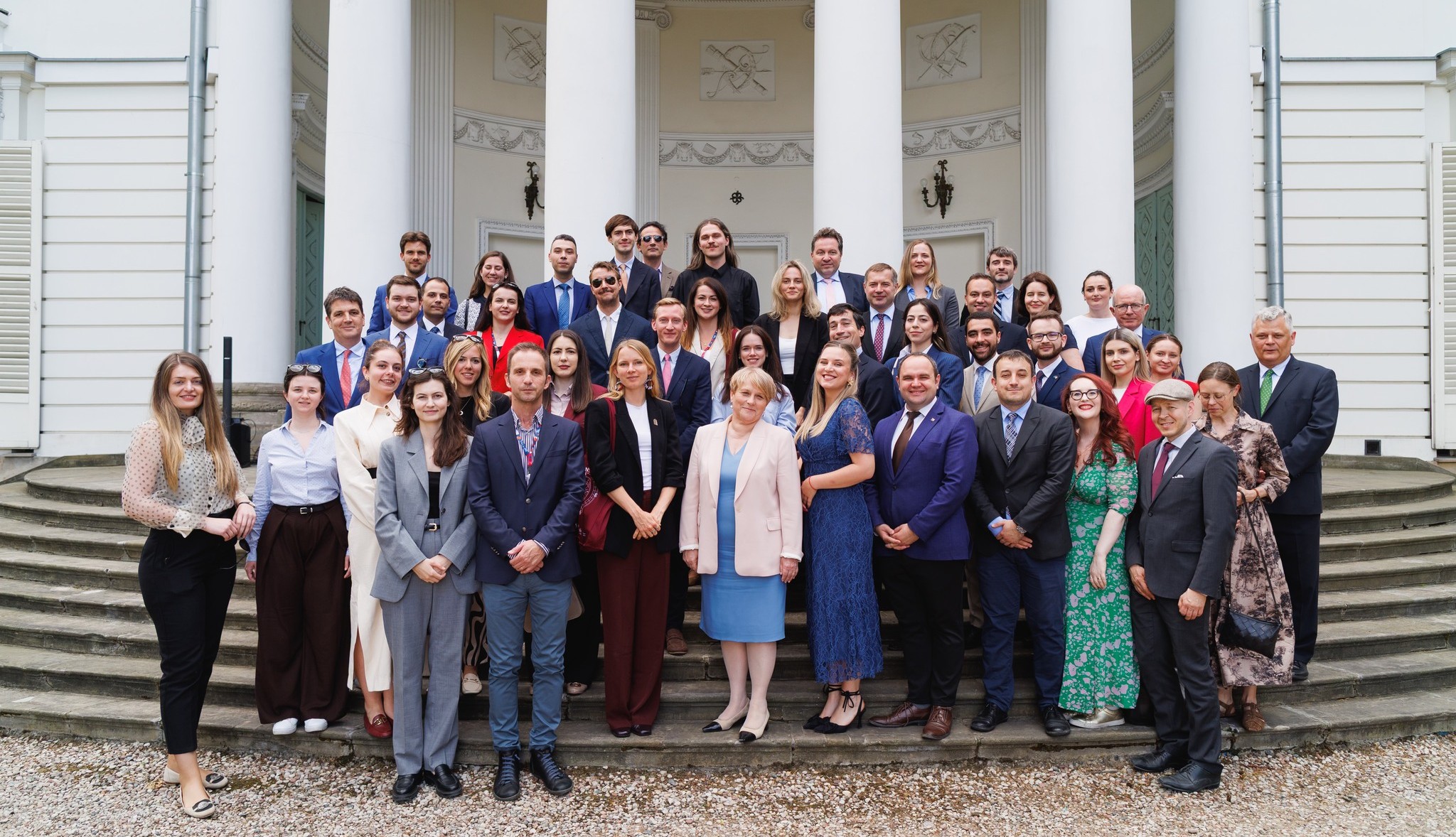
Over the course of six intensive days, junior diplomats, and officials from EU member states, from candidate countries and from EU institutions, participated in a distinctive blend of field visits, expert briefings, and analytical reflection, focused on the realities of the EU’s eastern frontier.
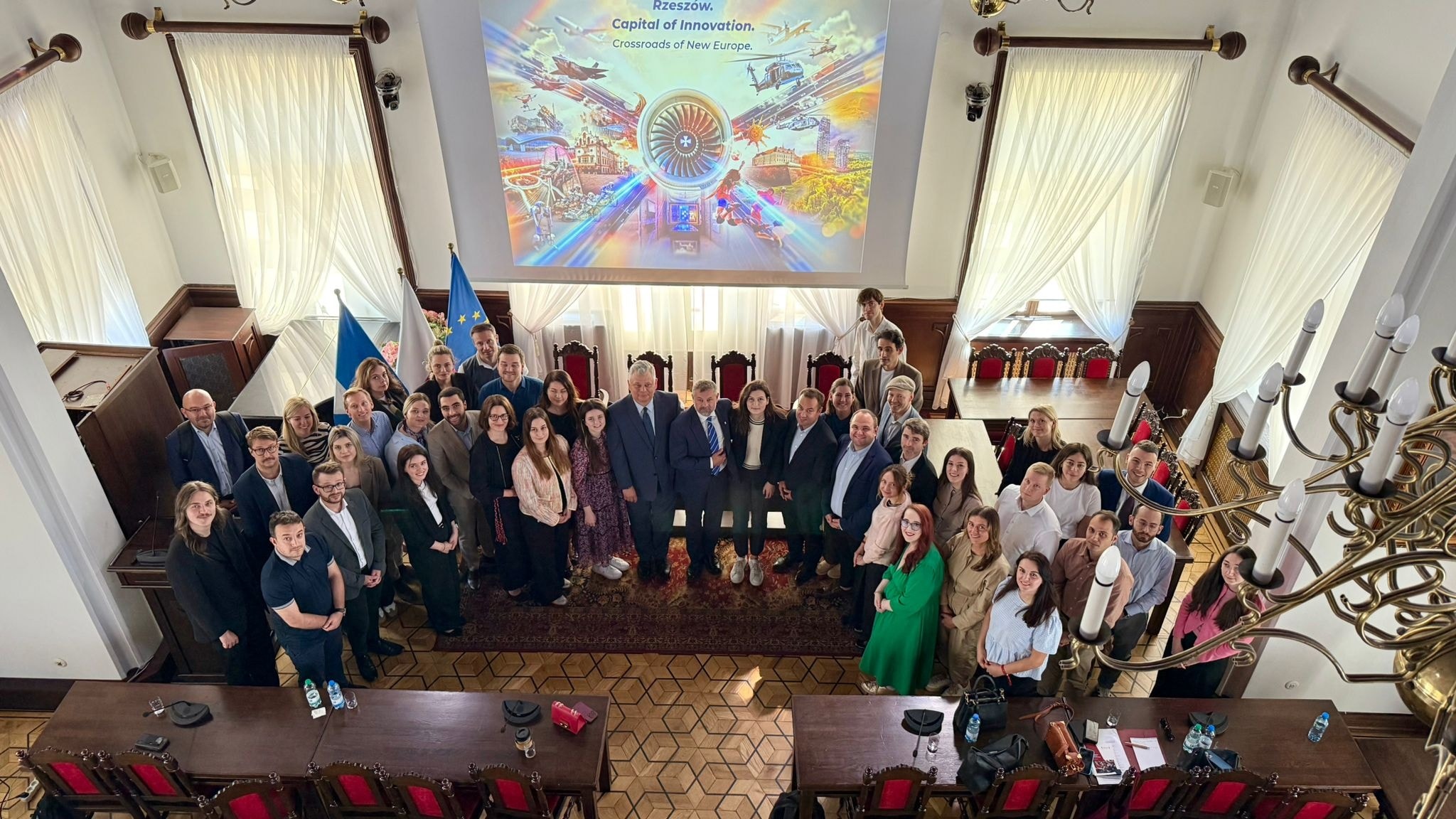
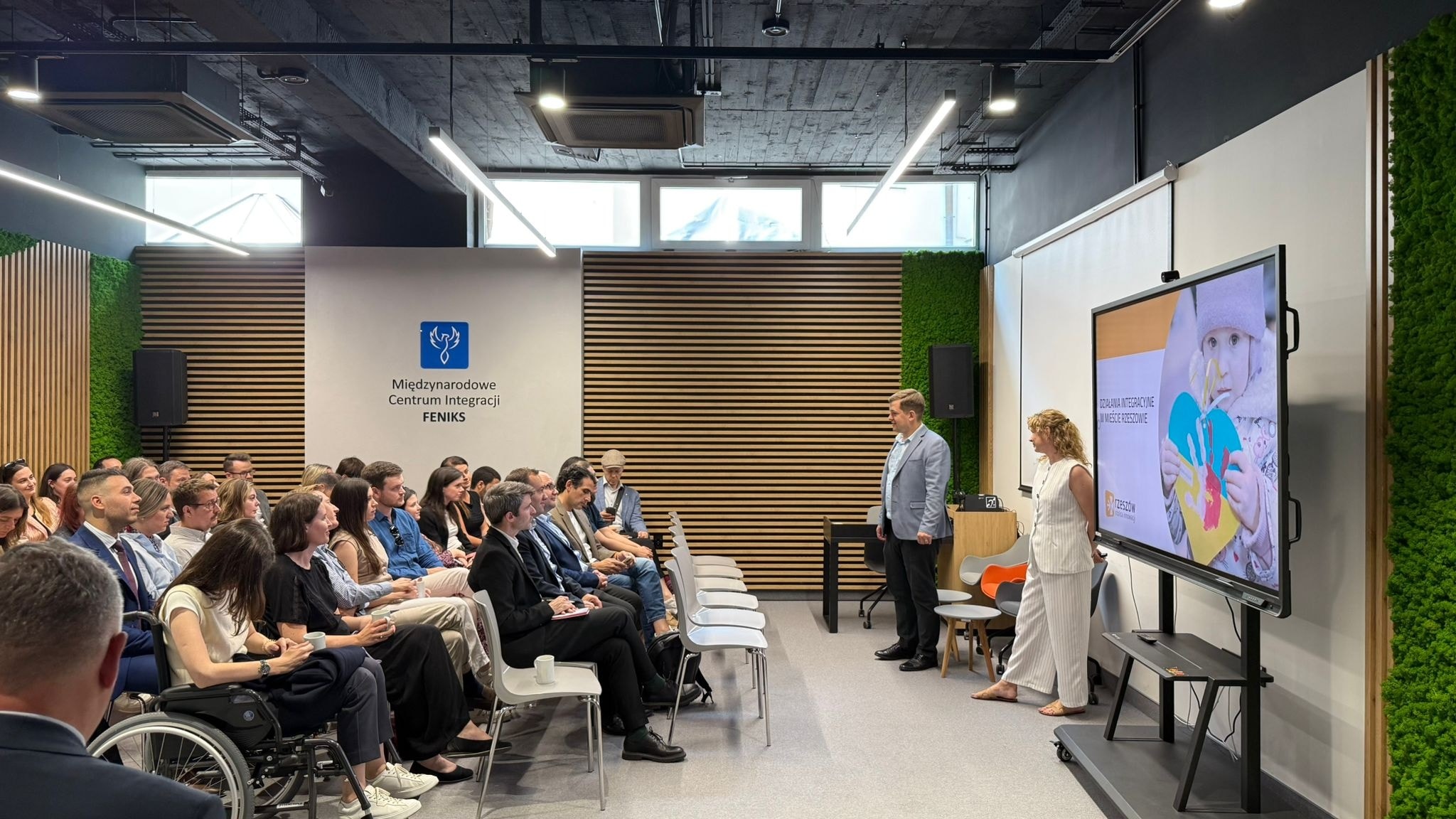
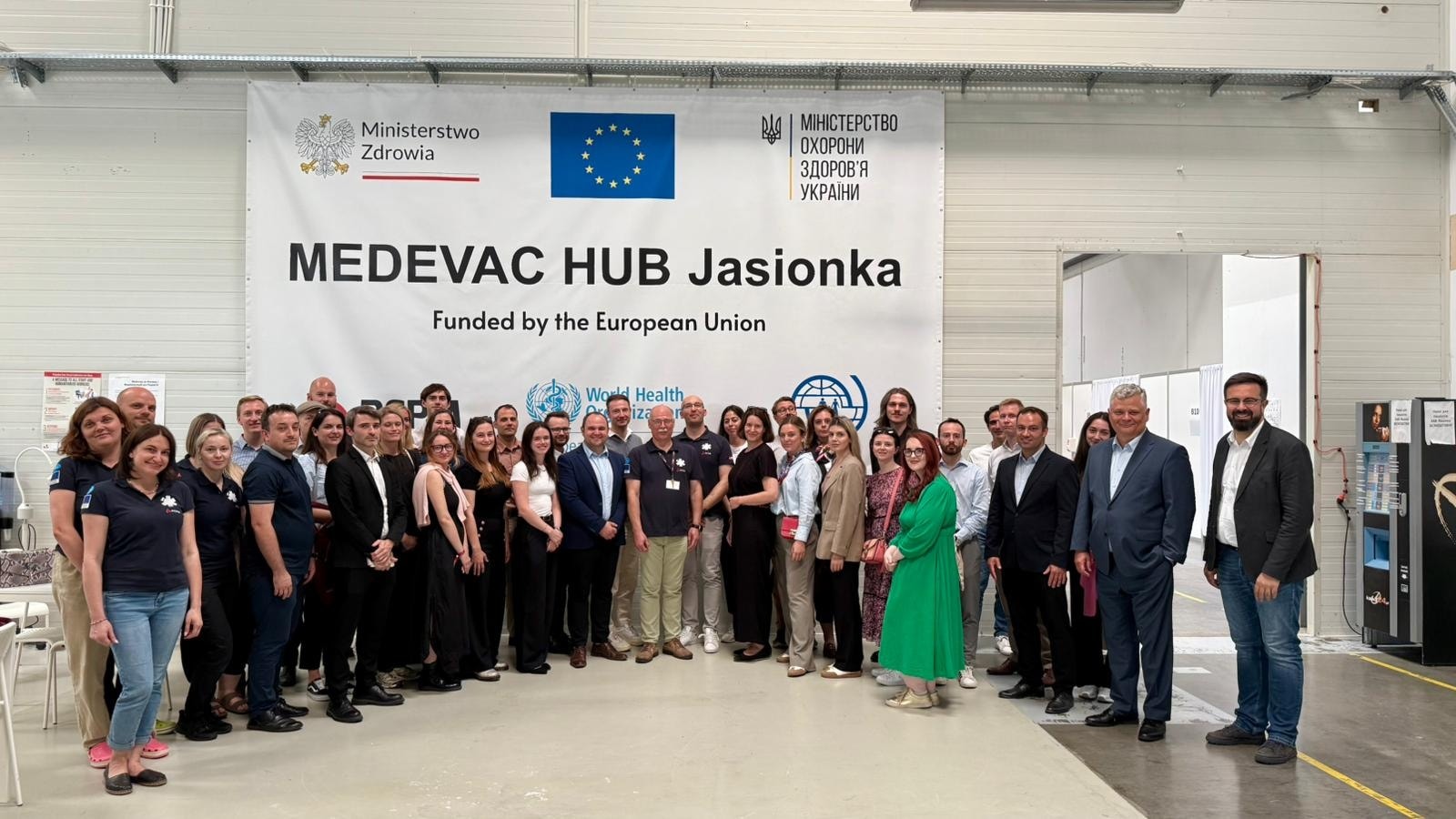
The programme began in south-eastern Poland, where participants met with Mr Grzegorz WRONA, Deputy Mayor of Rzeszów, to discuss the city’s role in managing international aid and refugee support. They continued to the International Integration Centre “Feniks” and the MEDEVAC HUB at Jasionka Airport, gaining direct insights into efforts aimed at integration of Ukrainian refugees with the Polish society and medical evacuation efforts for Ukrainian war casualties.
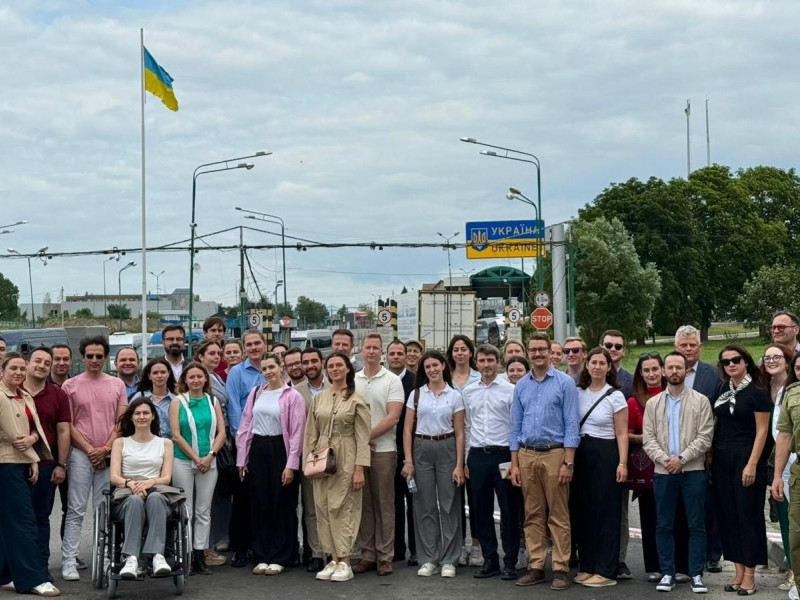
The group paid a visit to Przemyśl, meeting with Deputy Mayor Bartłomiej BARSZCZAK, who highlighted the city’s rapid transformation into a humanitarian hub following the Russian invasion of Ukraine. At the Medyka border crossing, participants engaged with Polish Border Guards, observing EU border operations in real time and reflecting on the human and policy dimensions of border management.
Upon return to the College of Europe in Natolin, participants explored the intellectual and historical foundations of Europe with Professor Richard BUTTERWICK-PAWLIKOWSKI, Chairholder of the European Civilization Chair, in a lecture on “Natolin in the Age of Enlightenment.” This was followed by a session on disinformation and foreign influence in candidate countries, led by Ms Marta SZPALA from the Centre for Eastern Studies (OSW).
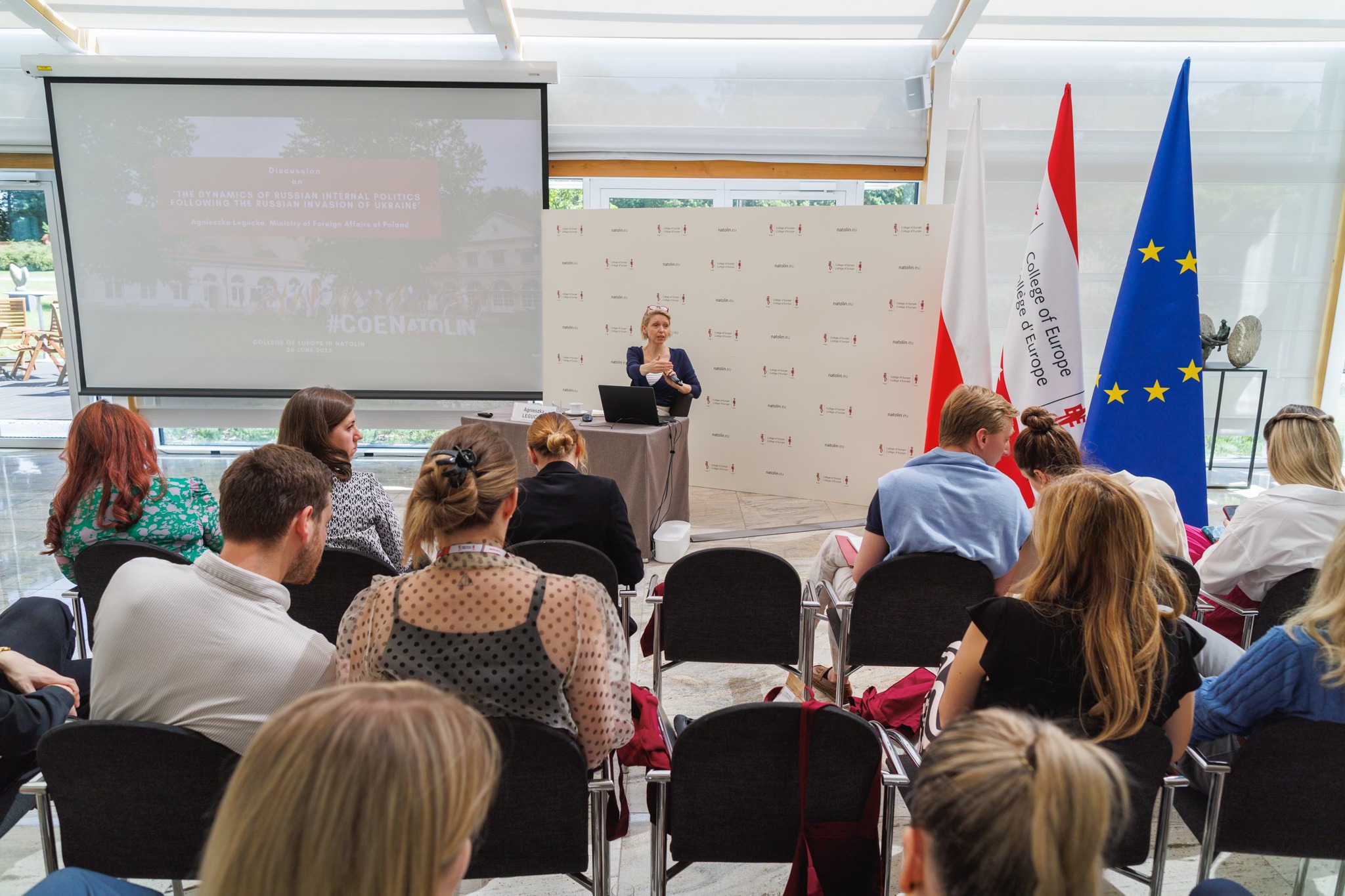
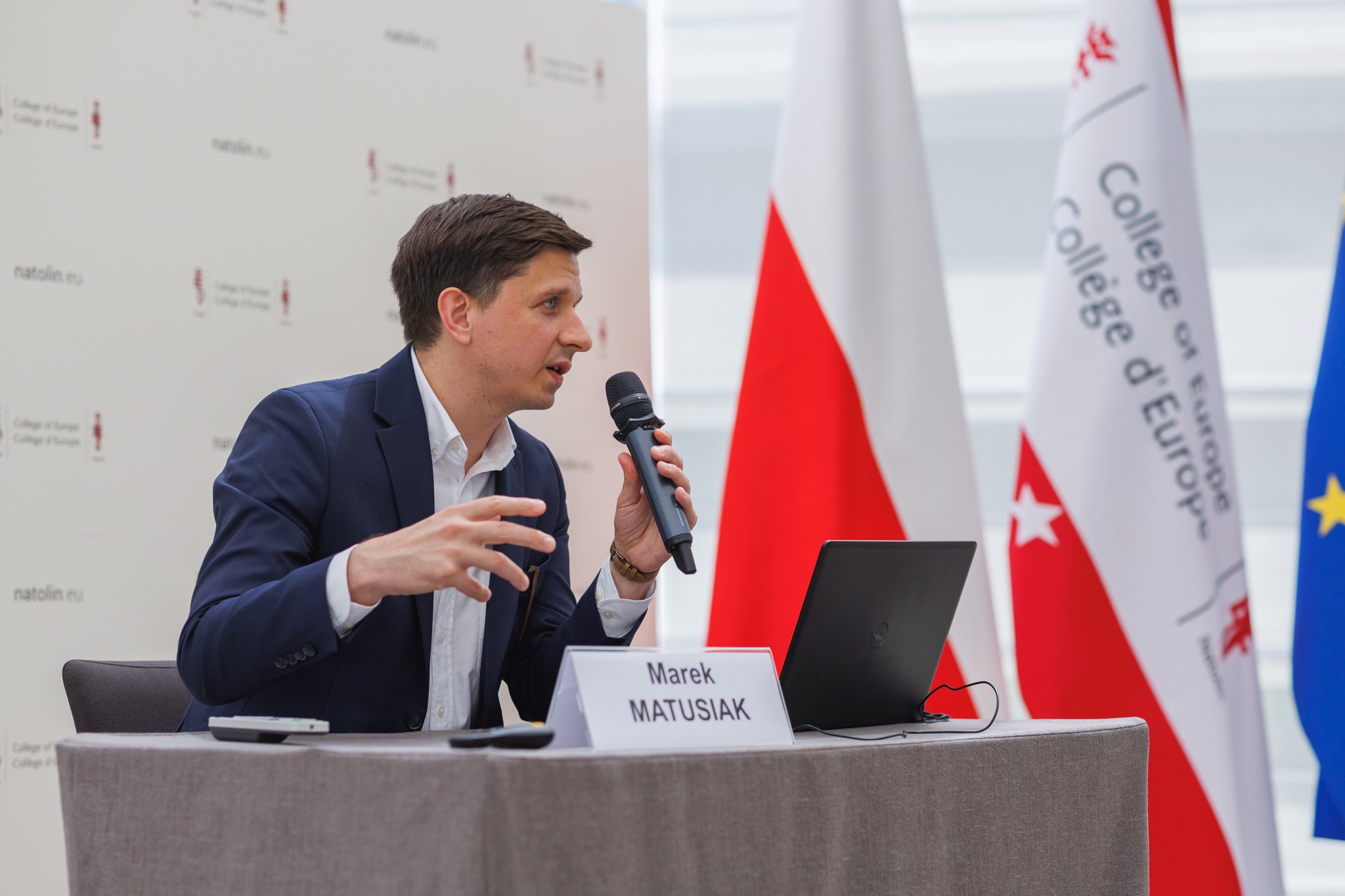
The programme continued with expert analysis from Ms Agnieszka LEGUCKA, Deputy Director at the Polish Ministry of Foreign Affairs, on internal dynamics in post-invasion Russia, and Mr Marek MATUSIAK, OSW, who examined regional spill-over effects from conflicts in Ukraine and the Middle East.
At the historic Natolin Palace, the participants met with Ambassadors of EU member states and candidate countries in Warsaw for an afternoon tea offered by Ms Ewa OŚNIECKA-TAMECKA, Vice-Rector of the College of Europe.
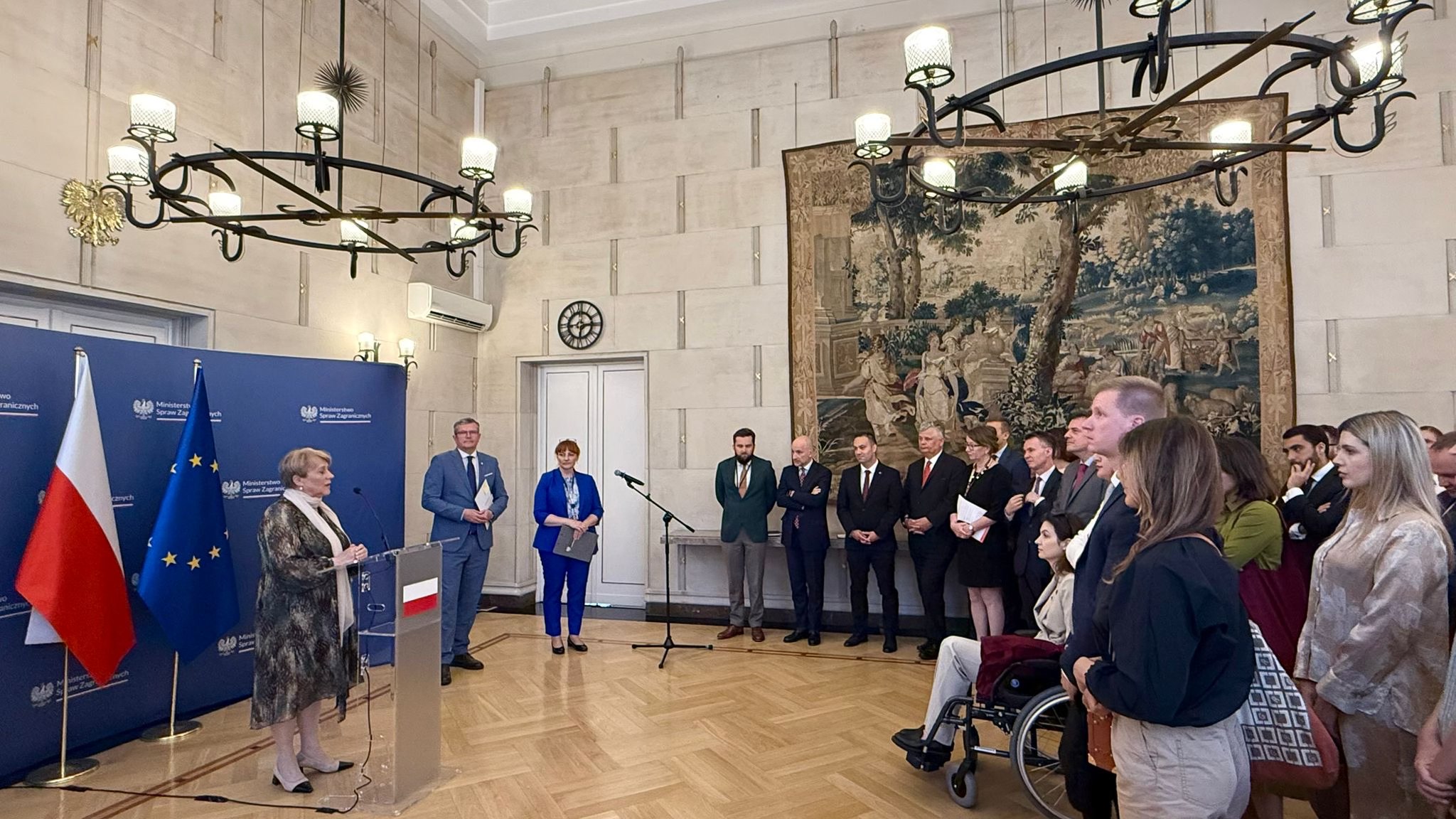
Ambassador Pavel LATUSHKA, Deputy Head of the United Transitional Cabinet of Belarus, offered a deep dive into Belarus’ strategic alliance with Russia and its implications for European security. Later that day, Secretary of State Mr Marcin BOSACKI and Vice-Rector OŚNIECKA-TAMECKA welcomed the group at the Polish Ministry of Foreign Affairs, underscoring the programme’s strategic relevance.
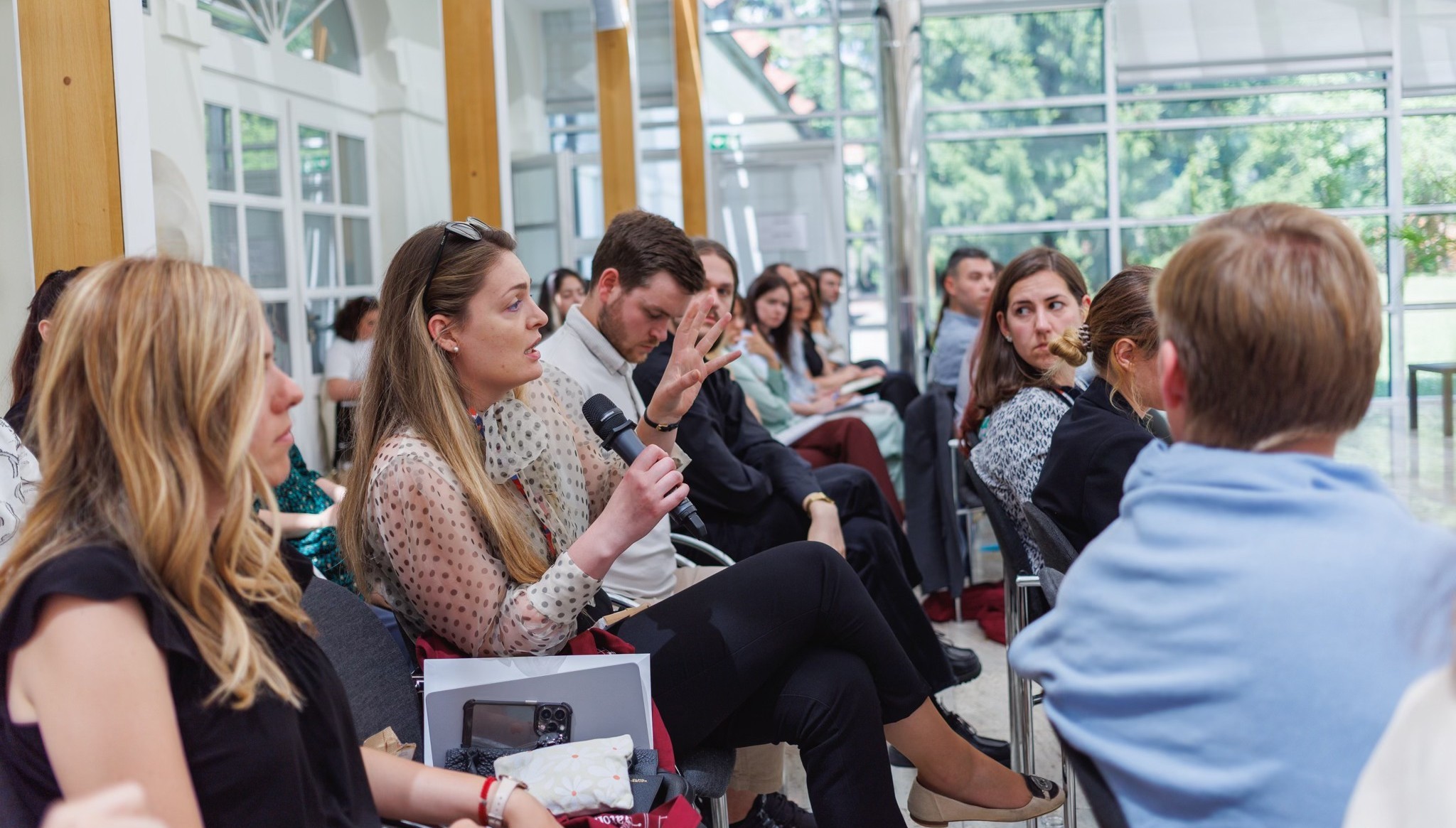
Afternoon discussions with Dr Jędrzej CZEREP, Polish Institute of International Affairs, and Mr Krzysztof STRACHOTA, OSW, examined how Russia’s aggression reshapes geopolitical dynamics in Central Asia and Africa.
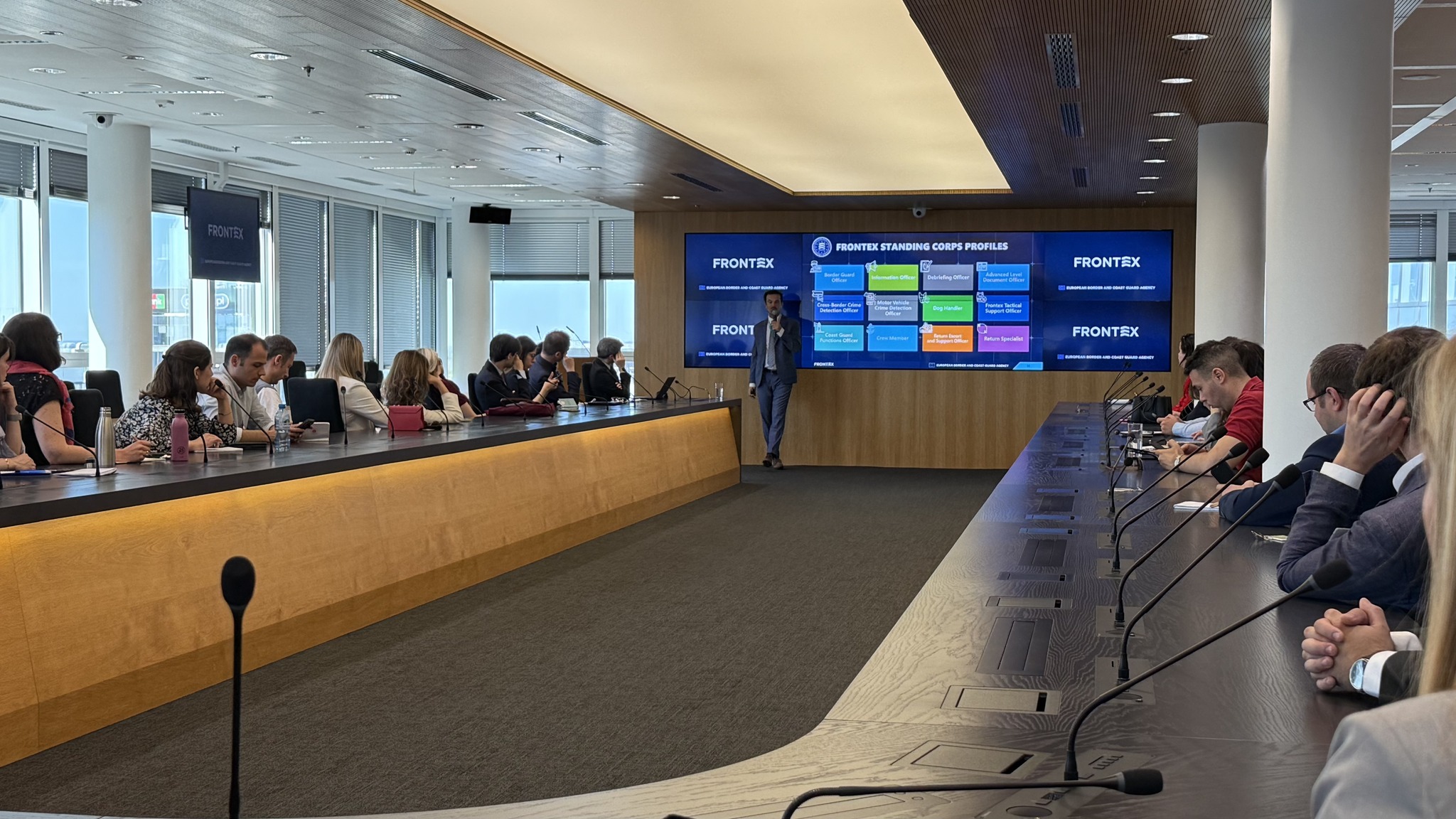
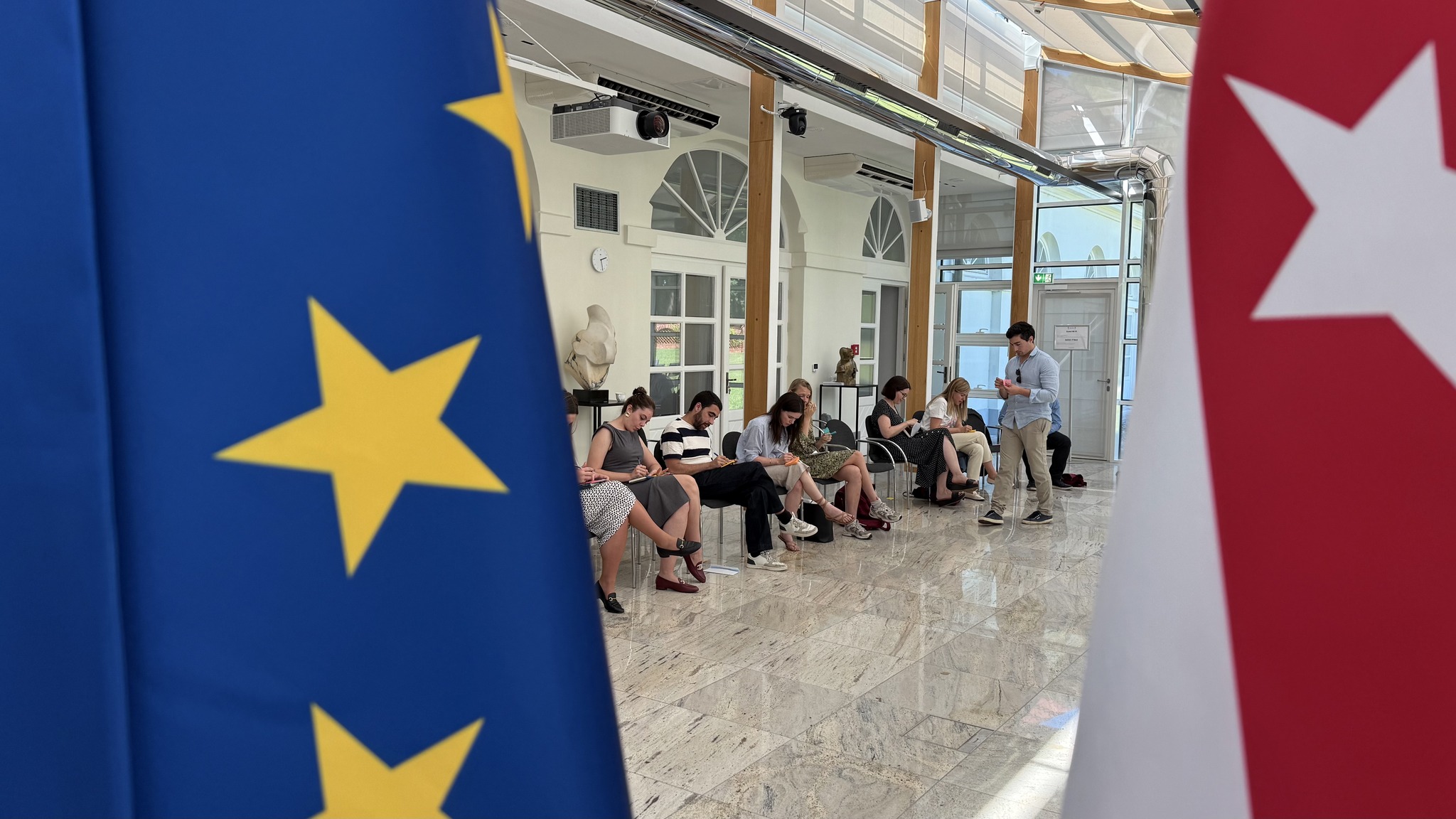
The module was completed by a visit to Frontex – the European Border and Coast Guard Agency, where participants explored EU external border management in crisis settings. The Network Sustainability Module, led by Mr Łukasz DOBROMIRSKI, encouraged long-term peer collaboration and future engagement across diplomatic networks.
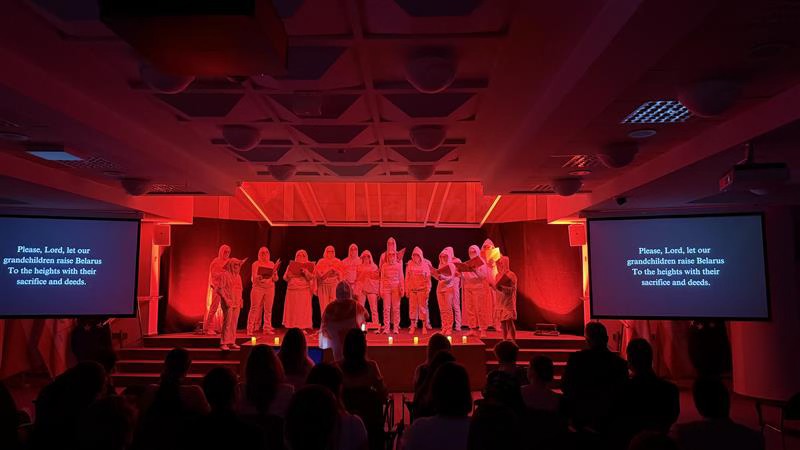
The week was concluded with a moving concert by the Volny Chor (Free Choir) — a group of Belarusian artists in exile — whose performance was a stirring tribute to the enduring values of resilience, solidarity, and freedom.
Since its launch in 2022, the Natolin Borderland Study Trip Module has empowered over 100 junior diplomats, from EU Member States and EU institutions, offering them in-depth exposure to the complexities of Europe's frontiers.